
Why a Hem Is Never “Just a Hem” in Knitwear Design
Short answer: In knitwear, small finishing details like hems, cuffs, and transitions between stitches play a major role in how a garment feels, balances visually, and fits on the body. These details may look simple, but they often require careful design and technical decisions.
If you spend enough time around knitwear, you start noticing something.
The details that look the simplest are often the ones that take the most thought.
A hem.
A cuff.
A few rows of purl stitch.
None of these things jump out at first glance. But they quietly determine whether a garment feels balanced, intentional, and well designed.
In knitwear especially, the difference between “this looks nice” and “this feels right” often lives in those small decisions.
Why Small Knitwear Details Matter So Much
Unlike cut-and-sew garments, knitwear is built directly from stitches.
That means the structure of the fabric and the design of the garment are happening at the same time. Every small choice affects how the piece behaves.
A few examples of details I notice constantly:
• the buffer rows between a rib and the body stitch
• a cuff that lands exactly where it should
• directional shifts in texture that guide the eye across the garment
• pointelle placement that feels intentional instead of decorative
• a shoulder seam that lies perfectly flat
Most people may not consciously register these things.
But they feel them.
That subtle sense of balance is what makes a knit garment feel thoughtfully designed.
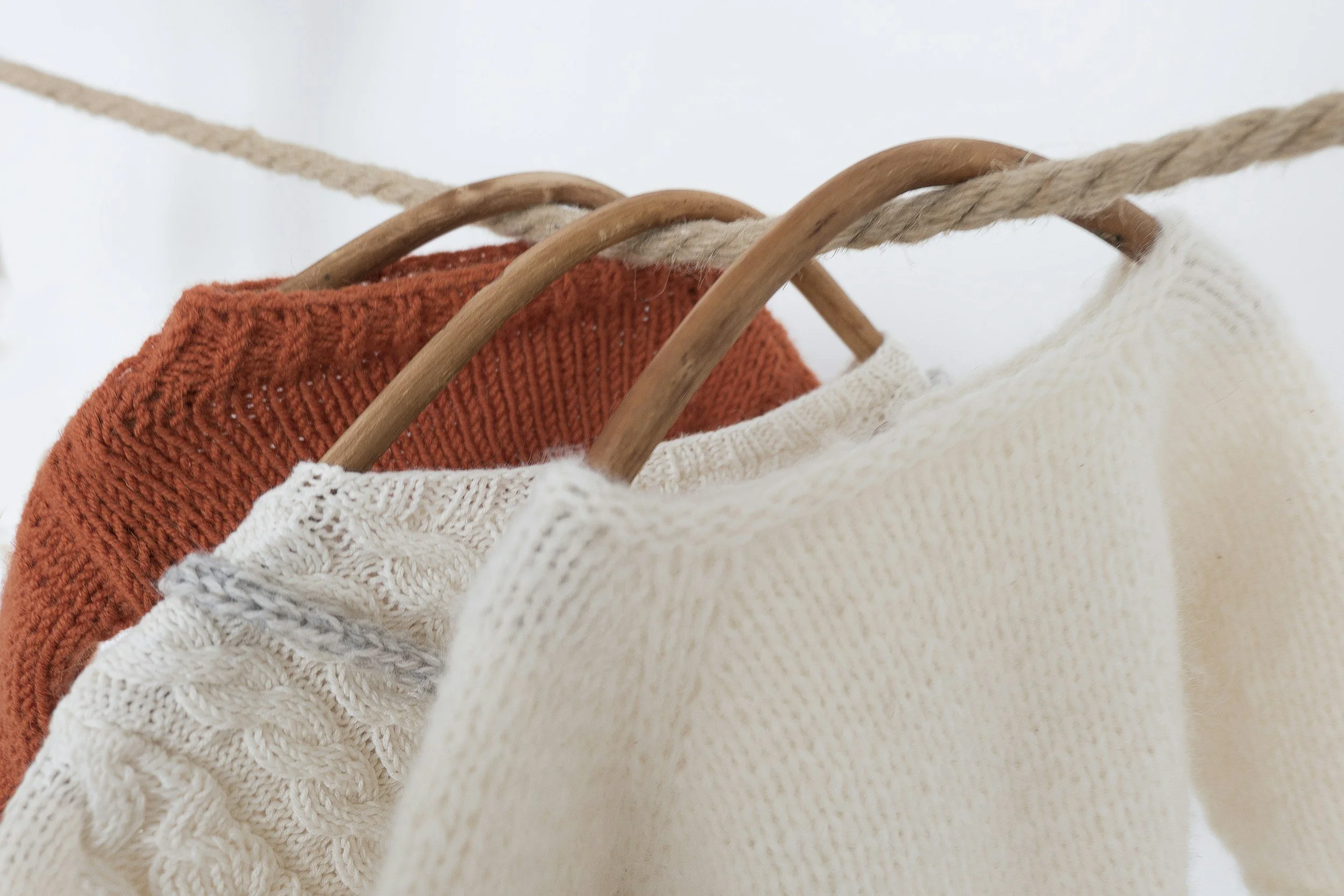
Knitwear Design Is Often About Transitions
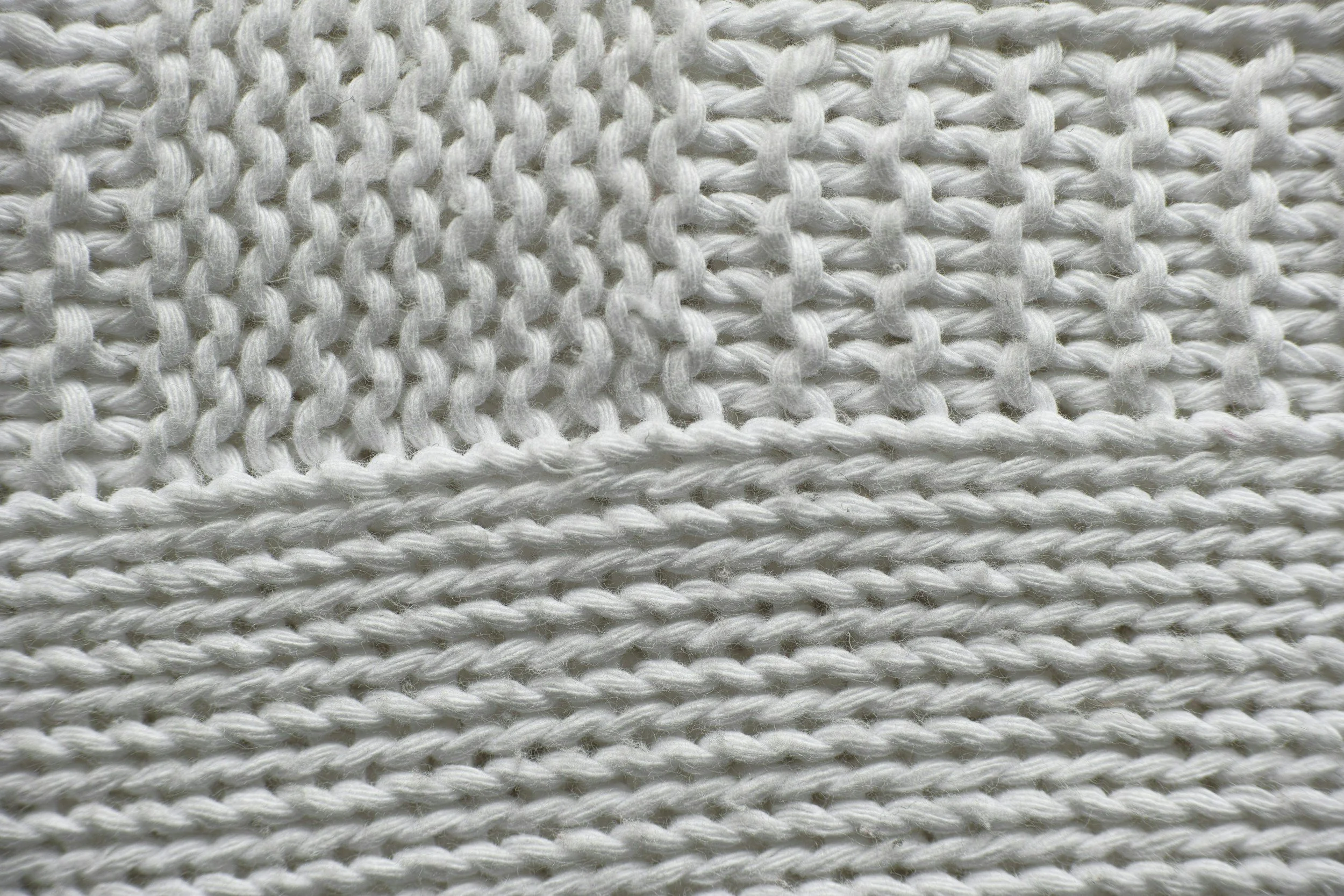
One of the most interesting parts of knitwear design is how stitches transition into one another.
For example, the few rows of purl stitch that sit between a rib hem and the body of a sweater.
Technically, those rows help stabilize the structure.
Visually, they create a pause. Almost like a breath between two ideas in the garment.
It’s a tiny detail, but it can completely change how the piece reads.
Some Details Look Simple but Take Hours
Knitwear is full of details that appear effortless but actually require a lot of work.
For example:
• a crochet trim that looks delicate but takes hours to complete
• stitch shifts that create directional texture
• carefully placed decorative stitches that guide the eye across the garment
These elements often disappear into the garment visually, which is exactly the point.
Good design doesn’t always announce itself loudly.
Sometimes it just quietly makes everything feel right.
When Designers Break the Rules
Recently I was looking through some Margiela archives and came across a sweater dress where all the seams were intentionally exposed.
Not just visible.
Left raw.
The extra yarn that would normally be trimmed away was hanging loose, almost like it had somewhere to be.
Normally, those yarn tails would be tucked in and hidden during finishing. But here they were part of the design.
And it didn’t feel unfinished.
It felt like someone asking a question:
Why do we hide this part?
Moments like that are reminders that knitwear design isn’t just about technical precision. It’s also about curiosity.
Knitwear Design Lives in the Details
A well-designed knit garment isn’t just about silhouette or color.
It’s the accumulation of dozens of small choices:
• where a rib begins and ends
• how stitches transition
• how seams are finished
• where texture is introduced
Each decision shapes how the garment feels on the body and how the eye moves across it.
Most people will never consciously list those details.
But they’ll notice when everything feels right.
Frequently Asked Questions About Knitwear Construction
Why do knitwear garments have ribbed hems and cuffs?
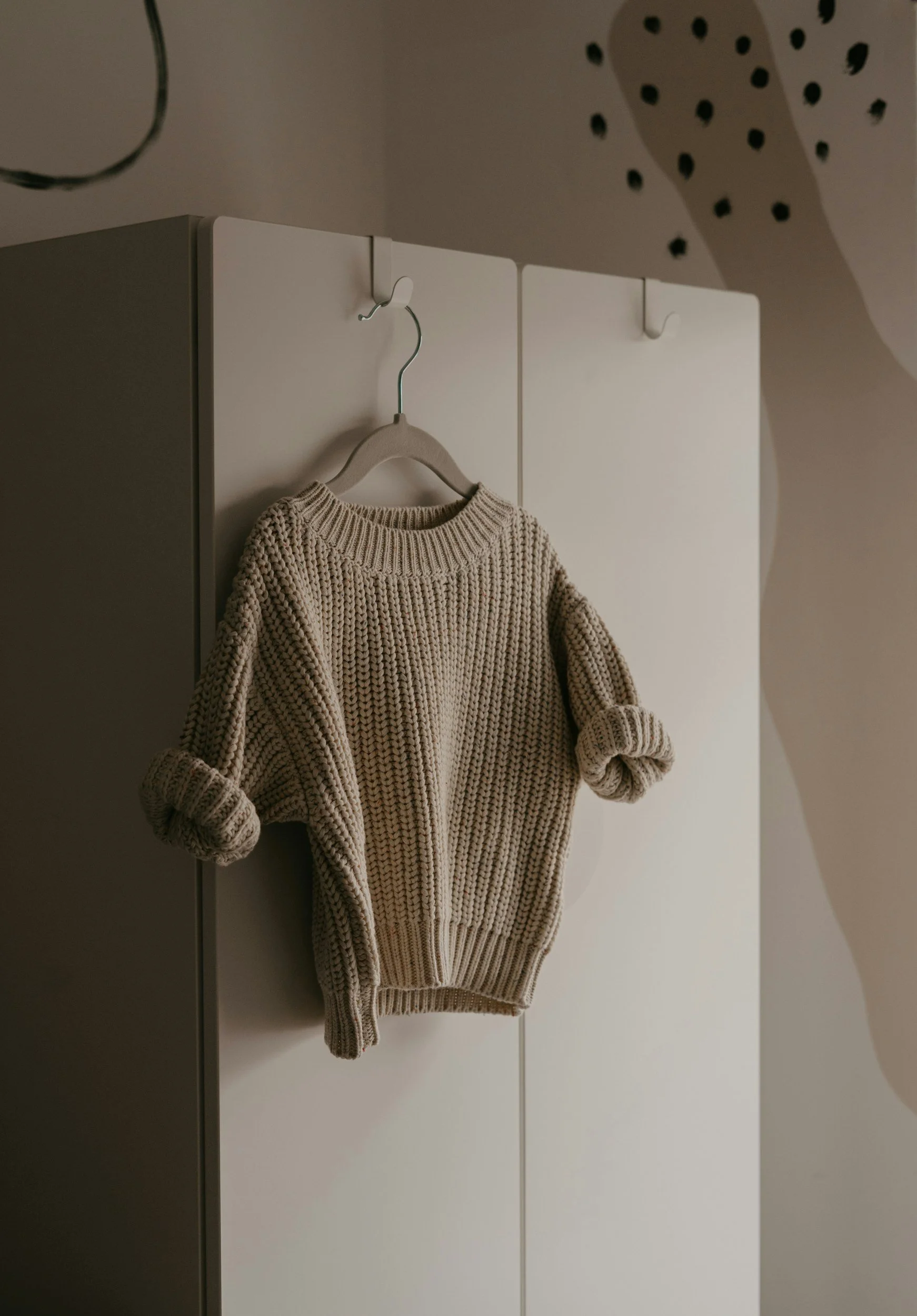
Rib stitches provide elasticity and help the garment hold its shape at edges like hems, cuffs, and necklines. They allow the garment to stretch while still maintaining structure.
What are transition stitches in knitwear?
Transition stitches are rows or small stitch changes used to move from one stitch pattern to another, such as from rib to jersey. These help stabilize the fabric and create a visually clean shift between textures.
Why do small knitwear details matter so much?
Because knitwear is built stitch by stitch, small structural details affect how the garment stretches, drapes, and holds its shape. Thoughtful finishing details are often what make a knit garment feel refined.
These small structural choices are often where the design really comes together.
They’re also the kinds of details that only show up after years of working closely with yarn, stitches, and machines.
If you’re working on a knitwear collection and want support with development, you can learn more about how I work here.
Thanks for reading!
Warmly,
Amanda