
Understanding Alpaca Fiber and Knitwear Production in Peru
Short answer: Peru is known for knitwear production because of its long textile tradition, skilled factories, and access to premium natural fibers like alpaca, vicuña, and pima cotton. These materials, combined with deep knitting expertise, make Peru one of the most respected regions in the world for high-quality knitwear development.
If you work in knitwear long enough, one country comes up again and again: Peru.
And it’s not just marketing. Peru has one of the deepest textile traditions in the world, combined with access to some of the best natural fibers on the planet.
I’ve been working with Peruvian knitwear factories for years now, and the more I learn about the materials and the people behind them, the more it makes sense why so many thoughtful knitwear brands produce there.
Below is a short guide to why Peru is such an important region for knitwear development, and the fibers that make it special.
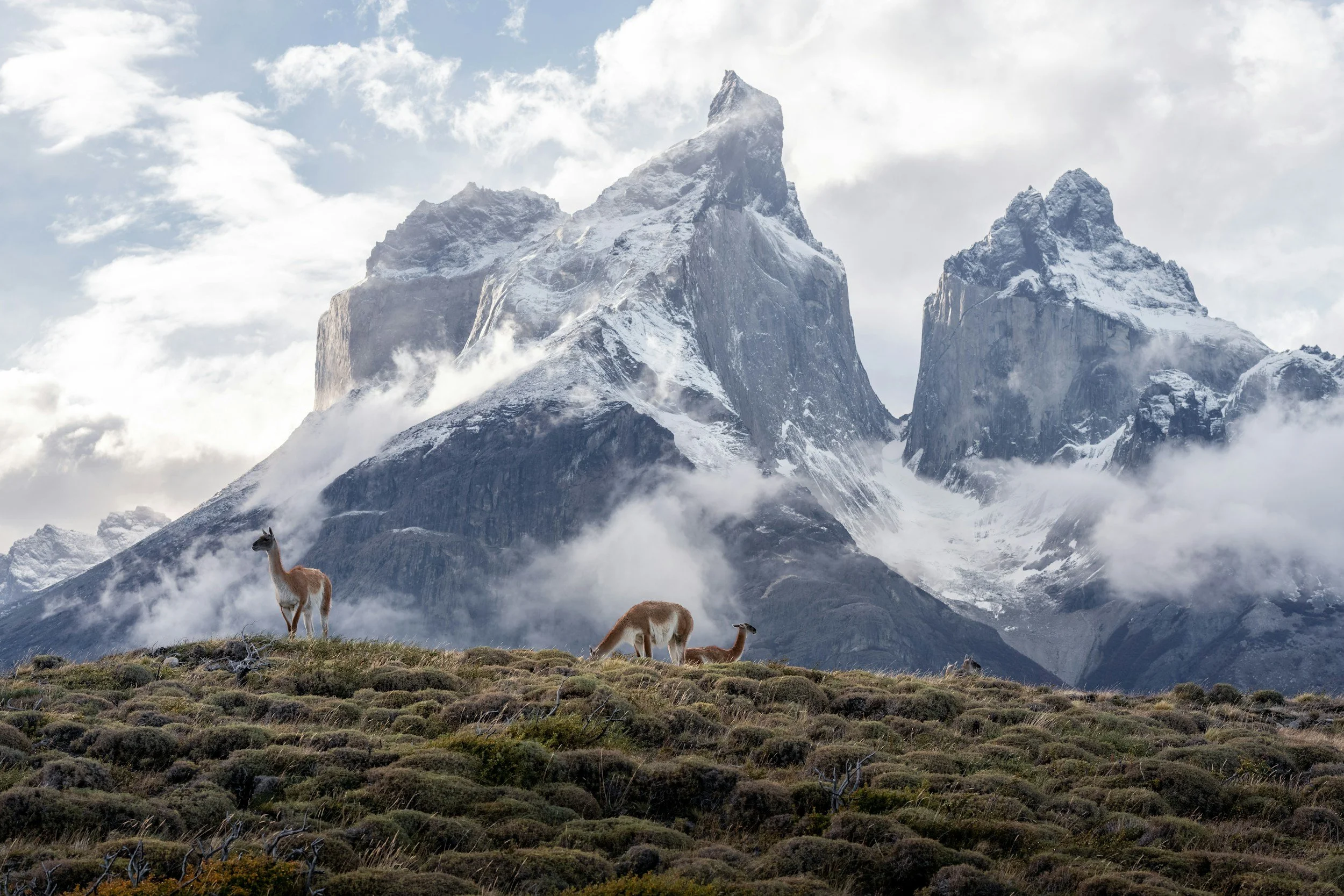
Why Is Peru Known for Knitwear Production?
Peru’s relationship with textiles goes back thousands of years. Alpaca fiber has been used in the region since around 2500 B.C., and textile craftsmanship is still deeply embedded in the culture today.
What makes the country unique is the balance between:
• long textile traditions
• access to exceptional raw fibers
• modern manufacturing expertise
The result is a production ecosystem where heritage and technical knowledge coexist.
Peru is also the origin of several of the most respected fibers in knitwear production:
• alpaca
• vicuña
• pima cotton
Each of these materials has very specific properties that make them valuable for different types of knitwear.
What Makes Alpaca Fiber So Good for Knitwear?
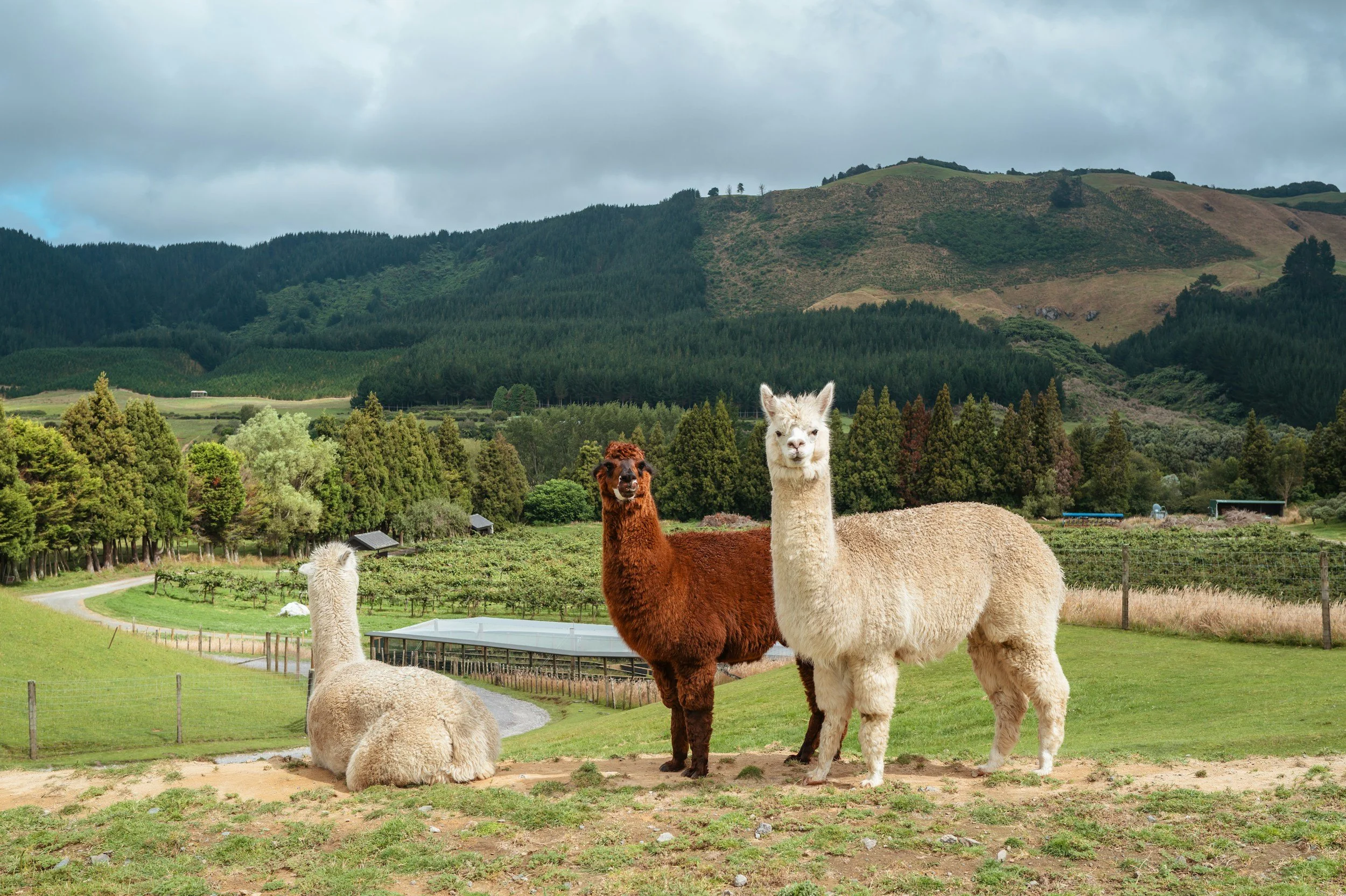
Alpaca is one of the most versatile luxury fibers used in knitwear. It’s warm, strong, lightweight, and incredibly soft.
Another interesting detail: alpacas naturally come in 22 different shades, which means yarn can sometimes be used undyed.
That natural color range is part of why alpaca is so attractive for brands interested in more thoughtful production.
Common Alpaca Fiber Grades
Different alpaca yarns are classified by fiber thickness (microns). The finer the fiber, the softer and more luxurious the yarn tends to feel.
Some common categories include:
• Alpaca Superfine (26–27 microns) – classic and versatile
• Baby Suri Alpaca (22–23 microns) – long, silky fibers
• Baby Alpaca (22–23 microns) – soft with beautiful natural color variation
• Royal Alpaca (18–19 microns) – extremely fine Huacaya fiber
• Alpaca 16 (16 microns) – exceptionally soft with a subtle sheen
In knitwear development, the micron level affects everything from hand feel to drape to perceived luxury.
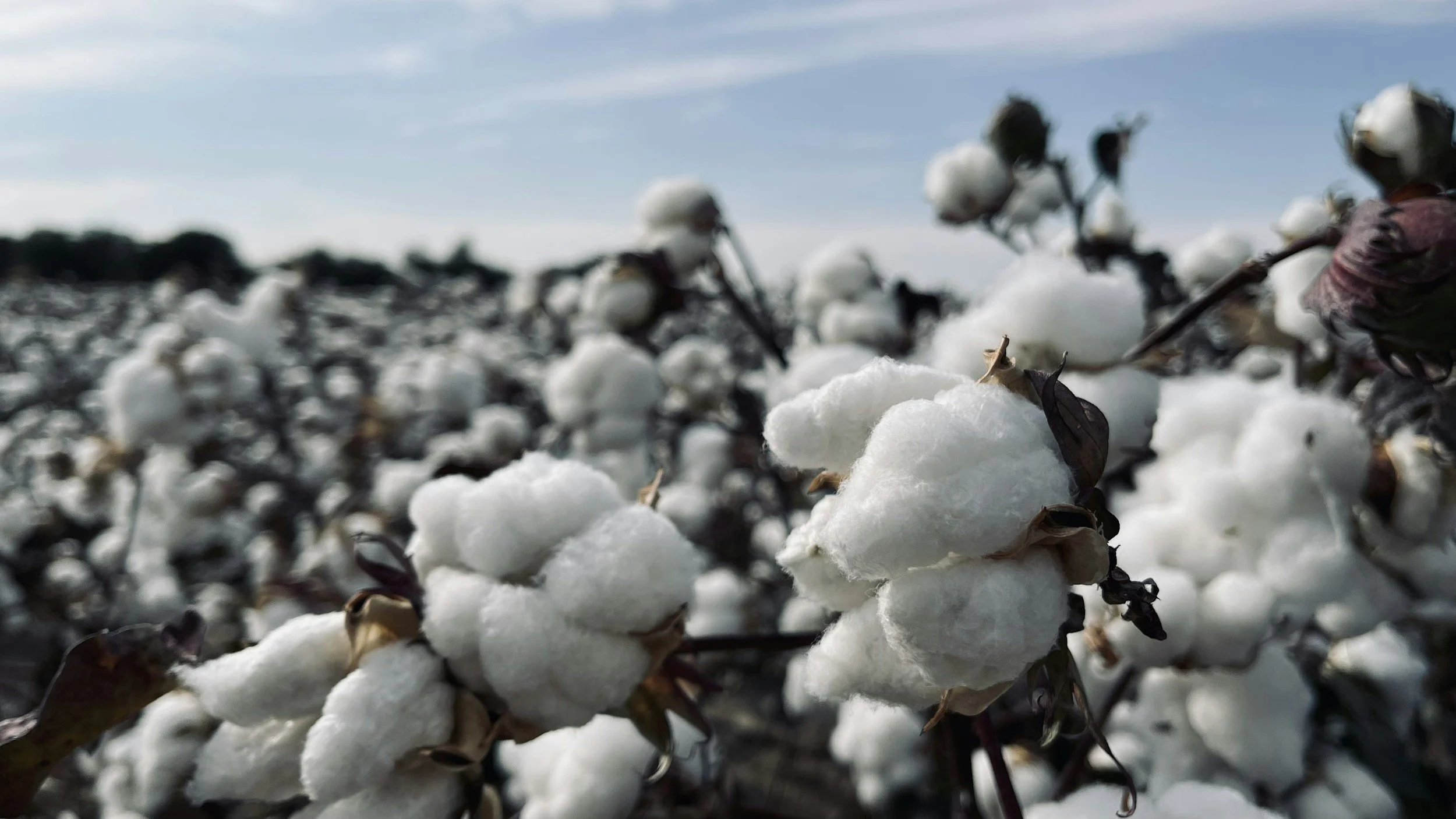
Why Is Peruvian Pima Cotton Considered High Quality?
Another standout fiber from Peru is pima cotton.
Peruvian pima cotton is hand-harvested, which helps preserve the length and strength of the fibers. Longer fibers create yarn that is:
• softer
• smoother
• more durable
• less prone to pilling
It also has a silky hand feel while still holding structure well, which makes it a great option for year-round knitwear pieces.
Many designers also mix pima cotton with other fibers like baby alpaca to create yarns that balance softness, breathability, and structure.
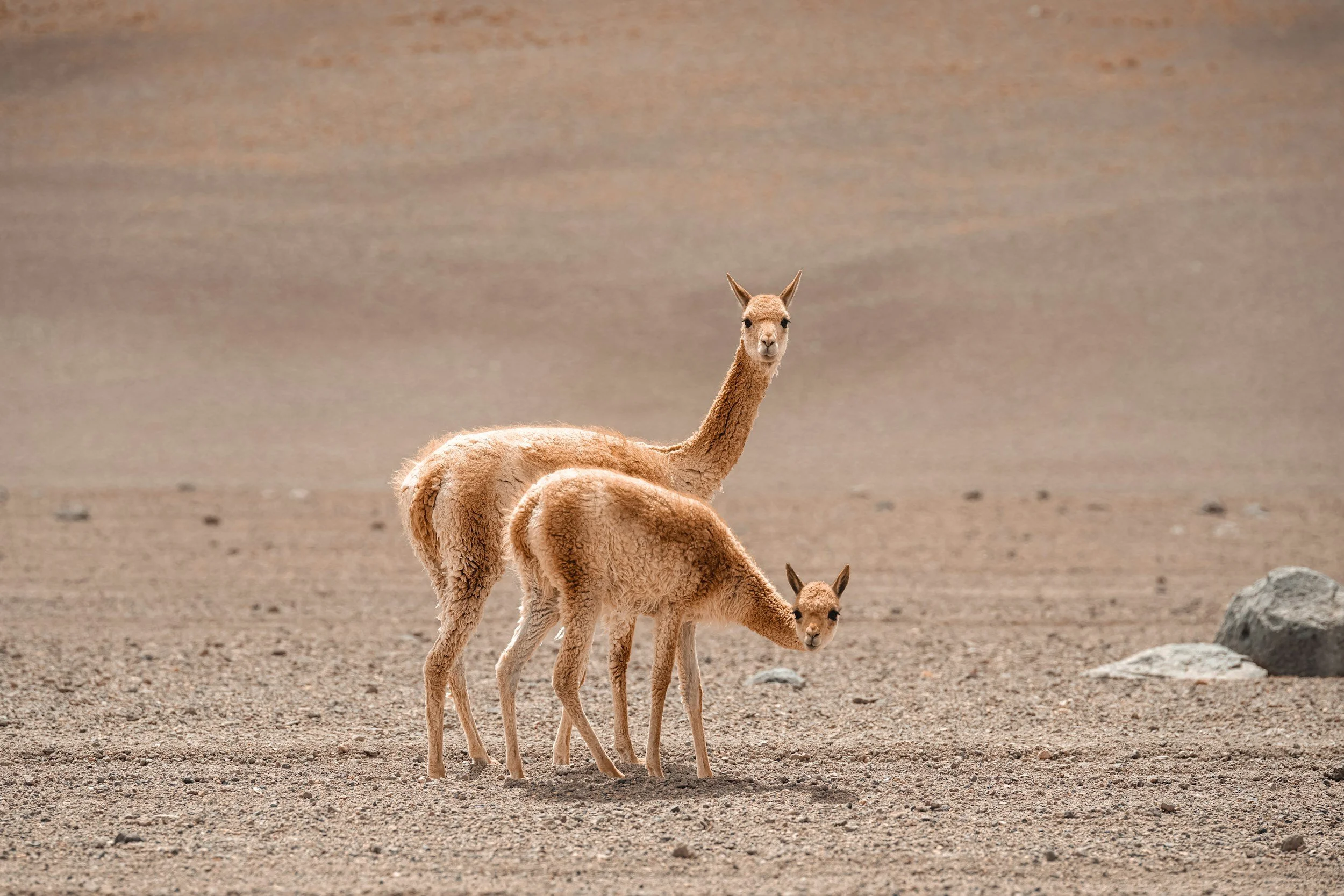
What Is Vicuña Fiber?
Then there’s vicuña, which is often considered one of the most luxurious natural fibers in the world.
Vicuña yarn is incredibly fine, lightweight, and soft. Because the fiber is rare and difficult to source, it’s typically used in very small quantities and in extremely high-end garments.
Many people first encounter vicuña through luxury brands like Loro Piana, where it appears in ultra-premium coats, scarves, and knitwear.
For designers working in the luxury space, vicuña sometimes appears in:
• limited capsule collections
• heritage knitwear programs
• ultra-premium pieces
Knitwear Production Is About More Than Just Materials
One thing I often notice when working with South American suppliers is that the approach to textiles tends to feel deeply intentional and relational.
It’s not just about sourcing a yarn.
It’s about:
• the people who raise the animals
• the mills spinning the fibers
• the factories knitting the garments
That connection between material, craft, and production knowledge is part of what makes knitwear development in Peru so interesting.
Thinking About Developing Knitwear in Peru?
If you’re working on a knitwear collection and exploring fibers like alpaca, pima cotton, or vicuña, Peru is a region worth understanding.
Between the fiber quality, technical expertise, and textile history, it remains one of the most important places in the world for thoughtful knitwear production.
And if you’re navigating yarn sourcing, knit development, or factory partnerships, I’m always happy to share what I’ve learned along the way.
Frequently Asked Questions About Knitwear Production in Peru
Why do so many knitwear brands produce in Peru?
Peru has a long textile tradition, highly skilled knitwear factories, and access to premium natural fibers like alpaca, vicuña, and pima cotton. These factors make it one of the most respected regions for knitwear production.
What fibers are commonly used in Peruvian knitwear?
The most well-known fibers include alpaca, baby alpaca, vicuña, and pima cotton. Each fiber has unique properties that affect softness, warmth, durability, and drape.
Is alpaca warmer than sheep’s wool?
Alpaca fibers have a hollow structure that helps retain heat, making them very warm while still remaining lightweight. Many people also find alpaca softer and less itchy than traditional sheep wool.
If you’re working on a knitwear collection and want support with development, you can learn more about how I work here.
Thanks for reading!
Warmly,
Amanda