
Why Changing Yarn Can Completely Change the Fit of a Rib Knit Garment
One thing I see often during development is how a design can feel completely resolved at the concept stage, but once it’s sampled, something feels slightly off.
If you’ve ever had a rib knit garment come back from sampling and the fit wasn’t quite what you expected, even though the design didn’t change, the yarn is usually the reason.
In knitwear, yarn isn’t just a material choice. It directly impacts how the garment stretches, recovers, and sits on the body.
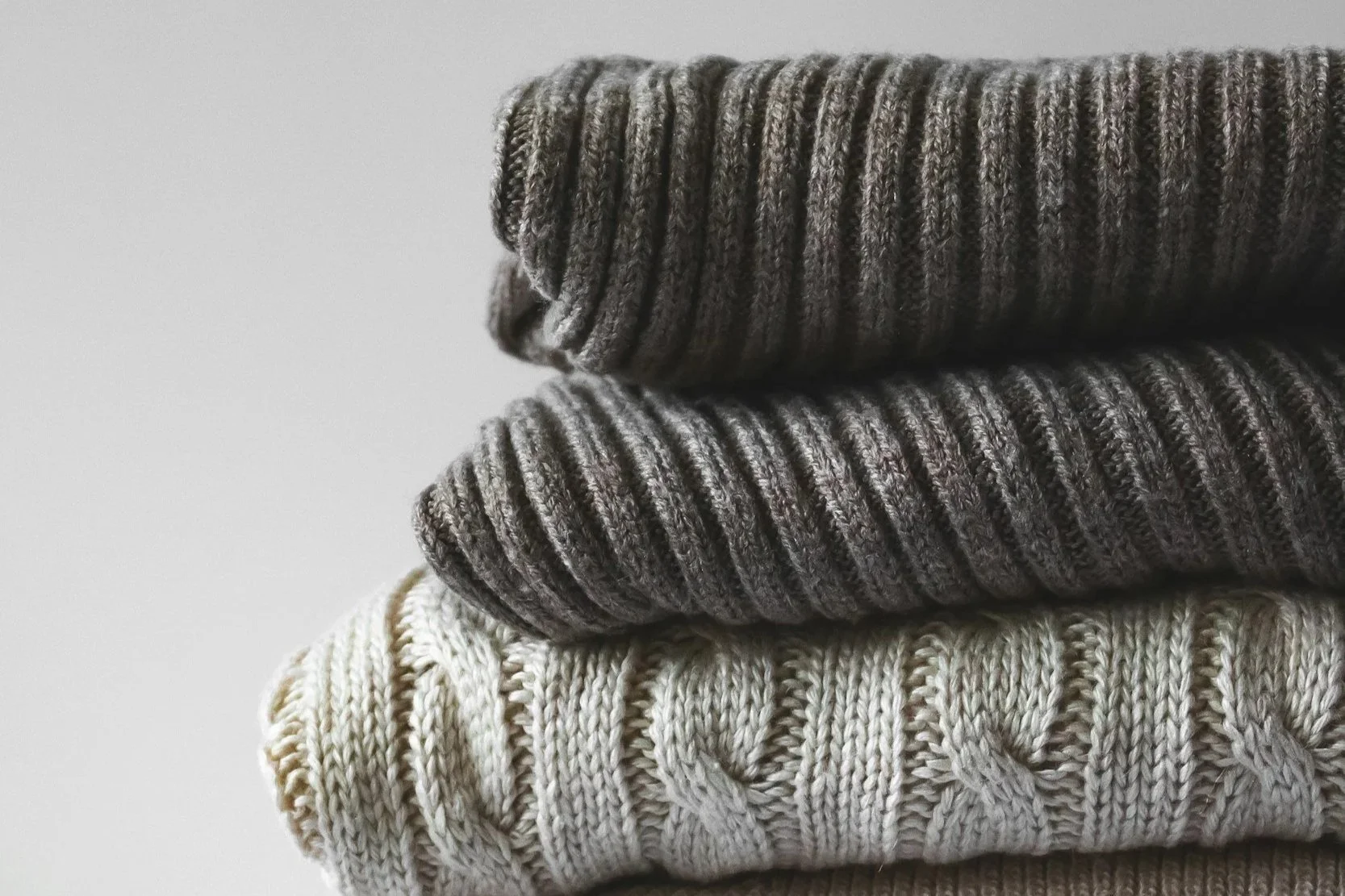
Why does changing yarn affect fit in knitwear?
Rib structures are especially sensitive because they rely on elasticity.
The stretch and recovery of a rib knit depend on:
yarn composition
yarn thickness
how the yarn behaves under tension
Even small changes can have a noticeable effect.
For example:
A yarn with more elasticity will create a garment that feels more fitted and compressive
A softer or heavier yarn might relax more, making the garment feel looser or longer
A different fiber content can change how the garment holds its shape over time
So even if your stitch, gauge, and measurements stay the same, the final result can feel completely different.
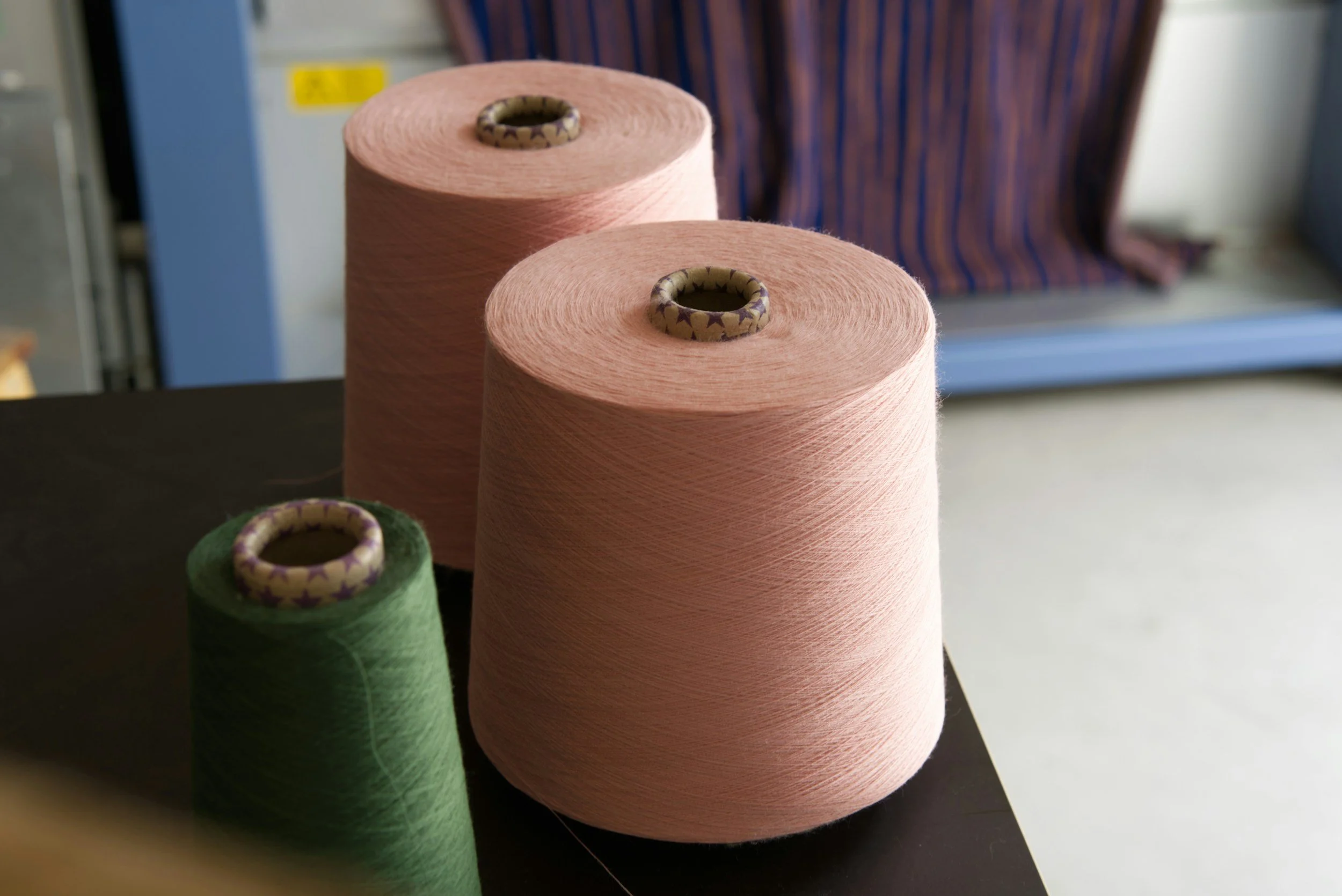
Rib knit exaggerates these differences
Rib knit structures are designed to expand and contract, which means they amplify the behavior of the yarn.
More stretch leads to more cling. Less recovery leads to growth. More weight can pull the garment down over time.
This is why a style that worked perfectly in one yarn can feel off in another, even when everything else is kept consistent.
Fit is never just about measurements
In knitwear, fit is always the result of multiple elements working together.
Yarn is one of the biggest variables, but it doesn’t act alone. Stitch structure and construction details also play a role.
I talk more about this in Perfecting Fit: Expert Tips for Technical Knitwear Design, where I break down how different factors come together to affect the final fit.
Even small construction decisions can shift how a garment sits on the body. I wrote more about this in Why a Hem Isn’t “Just a Hem” in Knitwear Design.

What this means during development
This is usually the point where something that felt very final at the concept stage becomes more of an ongoing process.
You sample the garment, something is slightly off, and then it turns into a series of adjustments:
refining the yarn choice
adjusting tension or gauge
reworking proportions
It becomes a dialogue between the design intention and the technical execution.
There are multiple layers of interpretation involved:
the original idea
my translation of it
the factory’s execution
So getting the right result depends on alignment, trust, and clear communication across all of those layers.
Final thought
If a knitwear piece isn’t fitting the way you expected, even though the design hasn’t changed, the yarn is usually the first place to look.
It’s one of the most influential variables in how a garment behaves, especially in rib structures.
And it’s often what turns a good design into something that actually fits and feels right.
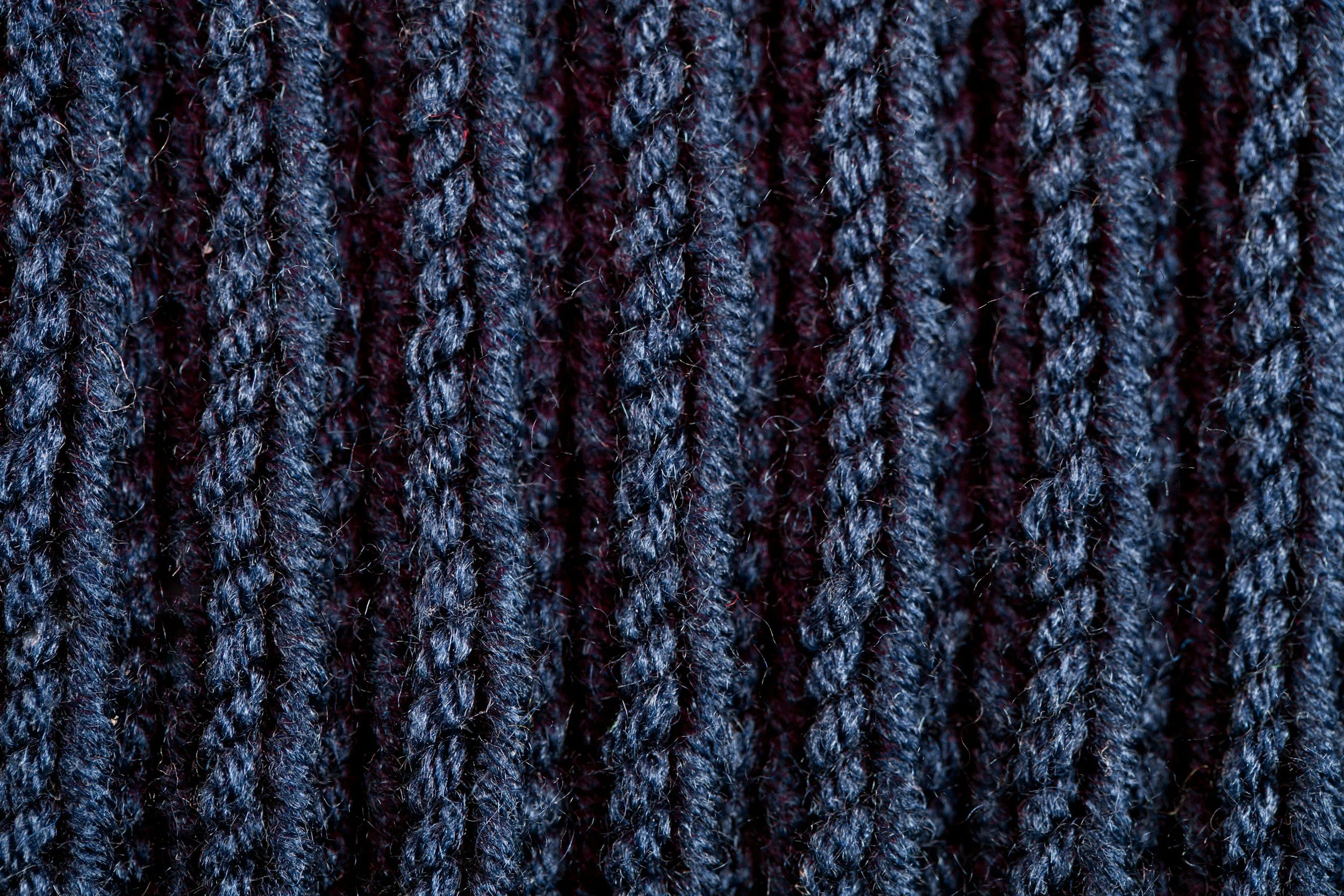
If you’re developing knitwear and running into these kinds of fit issues, this is something I work through closely with clients during sampling and development.
You can learn more about how I approach that → here.
Thanks for reading!
Warmly,
Amanda